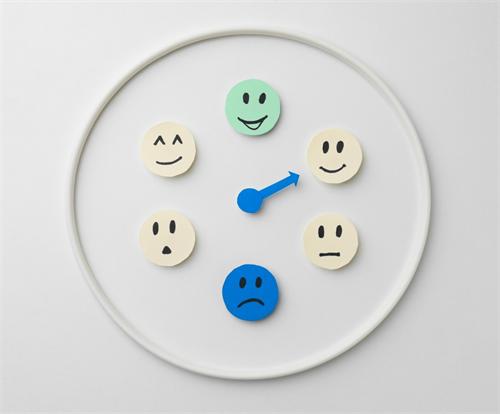
For decades, we’ve been told a simple story about life: be happy. Find what makes you happy, remove what doesn’t, and if you’re not happy yet, you’re probably doing something wrong. Happiness has become a personal project, a moral obligation, and a social performance all at once. Social media feeds are full of smiling faces, dream jobs, perfect families, and captions about “living my best life.” Self-help books promise happiness in ten steps. Apps track our moods as if joy were a fitness metric.
And yet, many people feel exhausted, empty, or quietly dissatisfied—despite doing everything “right.”
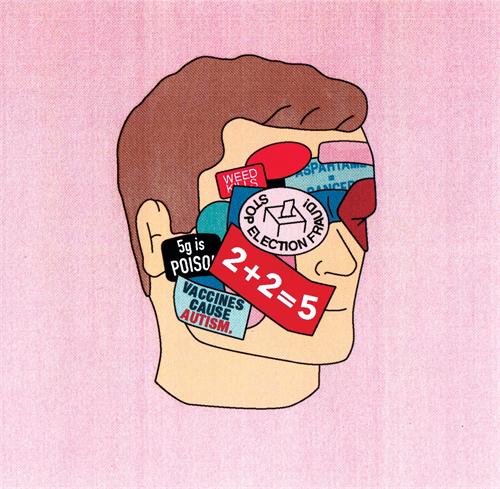
Psychology has an uncomfortable truth to share: chasing happiness directly is often the fastest way to feel less fulfilled. Real fulfillment turns out to be something very different from constant positive emotion. It’s messier, deeper, and far less Instagram-friendly.
The Happiness Trap: Why Wanting It Too Much Backfires
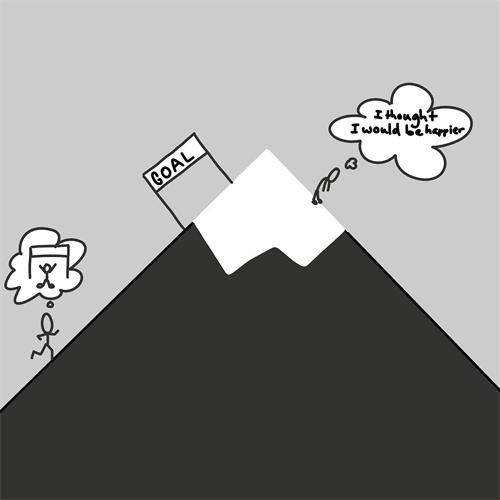
One of the most surprising findings in psychology is that the more we value happiness as a goal, the less happy we often feel.
Researchers call this the happiness paradox. When happiness becomes something you’re constantly monitoring—Am I happy enough? Why don’t I feel better?—you start treating normal human emotions like problems that need fixing. Sadness, boredom, frustration, and doubt suddenly feel like personal failures rather than natural parts of life.
This creates three psychological traps:
1. Constant Self-Evaluation
If happiness is the goal, you’re always checking in on yourself. That self-monitoring pulls you out of the present moment and into judgment mode. Instead of enjoying dinner with friends, part of your brain is asking, Should I be enjoying this more?
Ironically, that mental checking is exactly what prevents enjoyment.
2. Unrealistic Emotional Standards
Modern culture promotes a narrow emotional range as “normal”: upbeat, confident, motivated, calm. When your internal experience doesn’t match that standard, you feel broken—even if nothing is actually wrong.
Psychology shows that emotional diversity, not constant positivity, is linked to better mental health.
3. Avoidance of Discomfort
If happiness is the highest value, discomfort becomes the enemy. People start avoiding hard conversations, challenging goals, or meaningful risks because they might feel bad in the short term.
But many of life’s most fulfilling experiences—raising children, building a career, maintaining relationships, creating something meaningful—are emotionally demanding, not consistently pleasant.
Happiness vs. Fulfillment: They Are Not the Same Thing
One of the biggest misunderstandings in popular psychology is treating happiness and fulfillment as the same thing.
They’re not.
Happiness is an emotional state.
Fulfillment is a psychological condition.
Happiness comes and goes. It’s influenced by sleep, weather, hormones, money, health, and random events. Fulfillment, on the other hand, is about whether your life feels coherent, meaningful, and worthwhile—even when you’re not feeling good.
You can be:
> Fulfilled but unhappy (during grief, hard work, or personal growth)
> Happy but unfulfilled (comfortable, distracted, but empty)
Psychological research consistently shows that people who focus on meaning report greater life satisfaction over time than those who focus on pleasure alone.

What Psychology Says Actually Creates Real Fulfillment
If fulfillment isn’t about chasing good feelings, what is it about?
Several well-established psychological frameworks point to the same core elements.
1. Meaning Over Mood
Viktor Frankl, a psychiatrist and Holocaust survivor, argued that humans are not primarily driven by pleasure, but by meaning. Modern research strongly supports this idea.
Meaning comes from:
> Contributing to something larger than yourself
> Acting in line with your values
> Feeling that your actions matter, even when they’re difficult
Importantly, meaning often involves stress, effort, and sacrifice. Parenting, caregiving, creative work, activism, and long-term projects rarely feel good all the time. But they provide a sense of depth that fleeting happiness cannot.
A meaningful life doesn’t ask, “How do I feel today?”
It asks, “What am I building, and why does it matter?”
2. Values-Based Living (Not Emotion-Based Living)
Acceptance and Commitment Therapy (ACT), a modern psychological approach, makes a crucial distinction between values and feelings.
> Feelings are temporary and uncontrollable.
> Values are chosen directions for how you want to live.
When you chase happiness, your behavior depends on how you feel. When you live by values, your behavior depends on who you want to be.
For example:
> You show up for a friend even when you feel tired.
> You practice a skill even when motivation is low.
> You speak honestly even when it’s uncomfortable.
Over time, acting in line with your values builds self-respect and inner stability, which contributes far more to fulfillment than feeling good in the moment.
3. Psychological Needs, Not Positive Emotions
Self-Determination Theory, one of the most robust frameworks in psychology, suggests that fulfillment comes from satisfying three basic psychological needs:
Autonomy
Feeling that your life is self-directed and aligned with your choices—not just obligations or external pressure.
Competence
Feeling capable, effective, and able to grow through effort and learning.
Relatedness
Feeling genuinely connected to others, seen, and emotionally safe.
Notice what’s missing from this list: happiness.
Positive emotions often emerge as a byproduct of meeting these needs—but they’re not the primary goal.
Why “Do What Makes You Happy” Is Bad Advice
“Do what makes you happy” sounds kind and empowering, but it often leads people in the wrong direction.
Here’s why:
> It encourages short-term emotional thinking.
> It discourages commitment when things get hard.
> It implies that discomfort is a sign you’re on the wrong path.
In reality, growth almost always feels uncomfortable before it feels rewarding. Learning, change, and responsibility all involve frustration, self-doubt, and effort.
Psychologically mature people don’t ask, “Does this make me happy right now?”
They ask, “Is this consistent with the life I want to stand for?”
The Role of Suffering in a Well-Lived Life
This is the part no one wants to hear, but psychology is clear: suffering is not the opposite of fulfillment.
Avoiding all suffering leads to:
> Shallow goals
> Emotional fragility
> Fear-based decision-making
Choosing meaningful challenges leads to:
> Resilience
> Purpose
> A sense of earned confidence
This doesn’t mean glorifying pain or staying in harmful situations. It means recognizing that a life without discomfort is not a meaningful goal—and not a realistic one.
Social Media and the Illusion of Constant Joy
One major reason people feel dissatisfied today is constant comparison. Social media presents curated emotional highlights, not real lives. You see people at their most photogenic, successful, relaxed, or joyful—rare moments framed as everyday reality.
Psychologically, this creates:
> Distorted expectations of normal life
> Chronic comparison
> The belief that happiness is something others have figured out
The truth is simpler: most people are just managing, not thriving every day. Fulfillment is quiet, repetitive, and often invisible.

What to Focus on Instead of Happiness
If you stopped chasing happiness, what would you chase instead?
Here are healthier, more sustainable alternatives:
1. Direction, Not Destination
Ask yourself:
> What kind of person do I want to become?
> What values do I want to live by?
Not where you’ll end up, but how you’ll move forward.
2. Depth Over Pleasure
Choose fewer things that matter more. Deep relationships, meaningful work, and long-term projects bring frustration—but also richness.
3. Acceptance of Emotional Weather
Feelings change like weather. Trying to control them is exhausting. Learning to allow them while still acting meaningfully is psychologically freeing.
4. Contribution Over Consumption
People consistently report greater fulfillment when they focus on giving, creating, teaching, or helping—rather than consuming experiences or chasing pleasure.
A Different Definition of a Good Life
Psychology suggests a powerful reframe:
A good life is not one where you feel happy most of the time.
It’s one where your life makes sense to you.
Where your effort feels justified.
Where your struggles are in service of something you care about.
Where your values guide you even when your emotions don’t.
Happiness will still show up—but as a guest, not a demand.
Final Thoughts: Stop Chasing, Start Living
When you stop chasing happiness, something surprising happens: life becomes less pressured, less performative, and more honest. You give yourself permission to be human—to feel sad, confused, bored, excited, hopeful, and tired without turning those feelings into verdicts about your life.
Fulfillment grows quietly when:
> You commit to what matters.
> You allow discomfort without panic.
> You measure your life by meaning, not mood.
So if you’re tired of asking, “Why am I not happier?”
Try asking a better question:
“What is worth my effort, even when it’s hard?”
That question won’t always make you happy—but it just might make your life feel deeply, genuinely full.
References
- Baumeister, R. F., Vohs, K. D., Aaker, J. L., & Garbinsky, E. N. (2013). Some key differences between a happy life and a meaningful life. *The Journal of Positive Psychology, 8 (6), 505–516.
- Deci, E. L., & Ryan, R. M. (2000). The “what” and “why” of goal pursuits: Human needs and the self-determination of behavior. Psychological Inquiry, 11 (4), 227–268.
- Kashdan, T. B., & Biswas-Diener, R. (2014). The upside of your dark side: Why being your whole self—not just your “good” self—drives success and fulfillment. Hudson Street Press.