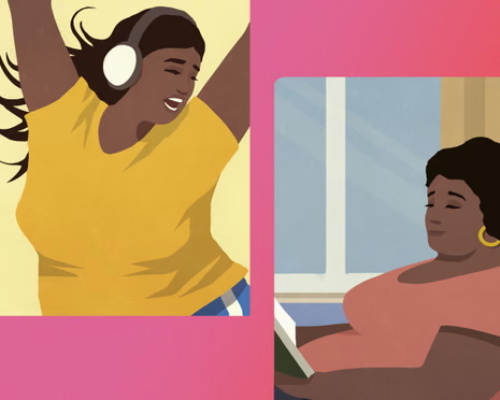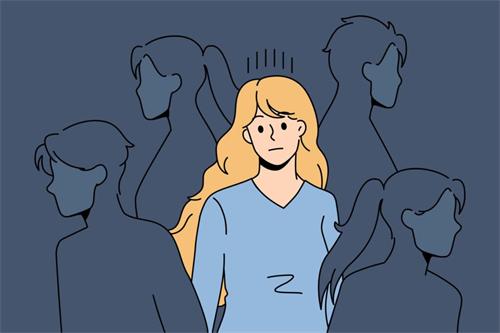

In social situations, we often notice two very different types of people. Some seem energized by conversation—laughing, talking endlessly, and leaving social gatherings feeling more alive than when they arrived. Others, however, feel completely drained after even a short interaction and need a long period of solitude to “recharge.”
If you frequently feel exhausted after socializing, you may be a Highly Sensitive Person (HSP).
High sensitivity is not a weakness, flaw, or emotional fragility. It is a biologically rooted personality trait. Research suggests that approximately 15–20% of people are born with a highly sensitive nervous system. Highly sensitive individuals experience the world more deeply: they process sensory input, emotional cues, and environmental changes with greater intensity. This depth brings remarkable strengths—empathy, creativity, insight—but it also makes them more vulnerable to energy depletion and burnout.
Understanding why highly sensitive people tire so easily is the first step toward protecting their energy and transforming sensitivity from a burden into a sustainable source of strength.
1. Why Highly Sensitive People Become Exhausted So Easily
The key reason highly sensitive people experience burnout is not that they “can’t handle life,” but that their brains process information differently.
Highly sensitive individuals engage in deep processing of stimuli. In any given environment, they absorb more information and analyze it more thoroughly than others. For example, at a social gathering, a highly sensitive person may simultaneously notice:
> Background conversations
> Music volume and rhythm
> Clinking dishes or sudden noises
> Lighting intensity
> Facial expressions and body language
> Subtle changes in tone, mood, or atmosphere
While most people unconsciously filter out much of this information, the HSP nervous system takes it all in and processes it deeply. As a result, the brain operates at a consistently high cognitive load.
Even when no single stimulus is overwhelming, the accumulation of many small stimuli can quickly lead to sensory overload, mental fatigue, and emotional exhaustion.
2. Emotional Absorption and Empathy Overload
Another major contributor to burnout is emotional absorption.
Highly sensitive people tend to have exceptional empathy. They don’t just understand others’ emotions intellectually—they often feel them as if they were their own. When someone nearby is anxious, sad, angry, or tense, an HSP may unconsciously internalize that emotional state.
This phenomenon often leads to what can be described as emotional compensation: highly sensitive individuals carry emotional weight that does not belong to them. Over time, this creates deep fatigue, even when the person has not faced any obvious external stress.
Because they struggle to establish emotional boundaries, HSPs may feel responsible for others’ moods, harmony in relationships, or unspoken emotional needs. This constant emotional vigilance consumes enormous mental and emotional energy.
3. A Mind That Never Truly Rests
Highly sensitive people also tend to possess vivid imagination, strong intuition, and rich inner worlds. Their minds rarely “shut off.”
Before making decisions, they carefully consider consequences, potential outcomes, how others might be affected, and what could go wrong. While this depth of thought leads to thoughtful and ethical choices, it also results in decision fatigue.
This mode of continuous, high-level cognitive processing is like running a precision machine at full capacity for extended periods. Without adequate rest and recovery, chronic exhaustion becomes inevitable.
4. You Are Not Weak—Your System Is Simply More Refined
Highly sensitive individuals function like highly refined systems that constantly exchange information with their environment. Such systems require maintenance, boundaries, and intentional recovery.
For this reason, advice such as “push harder,” “toughen up,” or “step outside your comfort zone” is often ineffective—or even harmful—for HSPs. Growth for sensitive people does not come from force, but from strategic self-care and energy management.

5. Setting Boundaries: The Foundation of Energy Protection
One of the most essential skills for highly sensitive people is learning to identify what drains their energy.
This may include:
> Meaningless social obligations
> Chronically negative or emotionally demanding relationships
> Endless minor tasks and interruptions
> Overstimulating environments
Setting boundaries is not selfish—it is self-preservation.
For example, if you know you can comfortably handle two hours of social interaction, but an event is likely to last three, communicate your departure time in advance. When fatigue arises, allow yourself to leave politely instead of forcing yourself to stay.
Respecting your limits is an act of self-respect, not weakness.
6. Choosing Social Environments That Suit Your Nervous System
Not all social settings are equally draining for highly sensitive people.
Large parties, noisy gatherings, and chaotic environments often overwhelm the senses. In contrast, HSPs tend to thrive in:
> One-on-one conversations
> Small group discussions
> Quiet, interest-based gatherings
> Calm and emotionally safe environments
Choosing social interactions that align with your temperament reduces unnecessary stimulation and allows connection to feel nourishing rather than depleting.
7. Building Emotional Boundaries Without Losing Empathy
Highly sensitive people do not need to abandon empathy—they need to contain it.
A helpful practice is asking yourself:
“Is this emotion mine, or does it belong to someone else?”
You may imagine a transparent protective barrier around yourself—one that allows understanding but prevents emotional absorption. This mental boundary enables compassion without self-sacrifice.
Empathy becomes sustainable only when it is paired with emotional discernment.
8. Reducing Decision Fatigue
Because decision-making consumes disproportionate energy for highly sensitive people, simplifying daily choices is essential.
Automate small decisions whenever possible:
> Simplify clothing options
> Establish consistent routines for meals
> Reduce unnecessary choices
Additionally, replace the “perfect principle” with the “good enough principle.” Completion is more valuable than perfection. Perfectionism quietly drains energy and delays action.
9. Rest Is Not Laziness—It Is Essential Maintenance
For highly sensitive people, rest is not optional. It is a biological necessity.
Solitude allows the nervous system to reset. Treat rest as a form of practice rather than a reward. Each day, create intentional quiet time—free from screens, notifications, and external demands.
Restorative activities may include:
> Meditation or mindful breathing
> Walking in nature
> Reading
> Listening to calming music
> Taking a warm bath
Regular “information fasting”—reducing news and social media exposure—can significantly lower cognitive overload. Creating a calm, uncluttered home environment further supports recovery.
10. Supporting the Body to Restore the Mind
Physical relaxation plays a crucial role in emotional recovery.
Gentle stretching, progressive muscle relaxation, and slow breathing help release stored tension. Adequate sleep is especially vital; irregular schedules quickly deplete sensitive nervous systems.
When the body relaxes, the mind follows.

11. Reframing Sensitivity as a Strength
High sensitivity is not a trait to overcome—it is a capacity to harness.
Sensitivity enables:
> Deep thinking
> Creativity
> Emotional intelligence
> Awareness of subtle beauty
> Meaningful human connection
When highly sensitive people choose careers and environments aligned with their nature—such as creative work, education, research, counseling, or writing—their sensitivity becomes an advantage rather than a liability.
Connecting with other highly sensitive individuals can also reduce feelings of isolation and the belief that something is “wrong” with you.
12. Designing a Life That Fits Your Nervous System
The core of energy protection lies in a profound shift:
From “I must adapt to the world”
to “How can I design my life to support my nervous system?”
High sensitivity does not need to be cured. It needs to be wisely managed.
When you learn to care for your sensory and emotional world as carefully as one would maintain a precision instrument, sensitivity transforms into insight, creativity, and deep connection.
True strength does not come from fighting your nature—it comes from working with it.
When you stop trying to become “less sensitive” and instead become someone who uses sensitivity skillfully, your energy ceases to leak away. It becomes renewable, resilient, and deeply aligned with who you truly are.
References
- Aron, Elaine N. The Highly Sensitive Person: How to Thrive When the World Overwhelms You. 25th anniversary ed., Harmony Books, 2017.
- Baumeister, Roy F., et al. “The Strength Model of Self-Control.” Current Directions in Psychological Science, vol. 16, no. 6, 2007, pp. 351–355.
- Decety, Jean, and Philip L. Jackson. “The Functional Architecture of Human Empathy.” Behavioral and Cognitive Neuroscience Reviews, vol. 3, no. 2, 2004, pp. 71–100.
- Acevedo, Bianca P., et al. “The Highly Sensitive Brain: An fMRI Study of Sensory Processing Sensitivity and Response to Others’ Emotions.” Brain and Behavior, vol. 4, no. 4, 2014, pp. 580–594.