
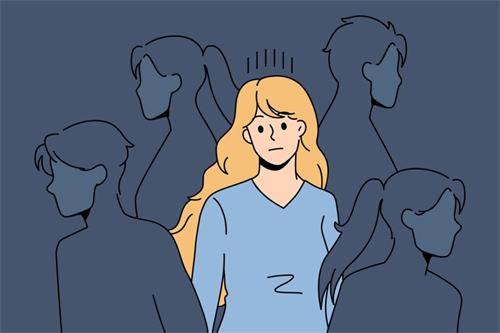
Friendship is a unique and irreplaceable form of wealth. In an increasingly uncertain world, friendships provide a rare sense of emotional stability, belonging, and connection. Friends laugh with us, cry with us, share our moments of joy, and stand beside us during hardship. Yet what truly defines friendship is its voluntary nature. Unlike family ties, legal contracts, or financial relationships, friendship exists purely by choice. We remain connected not because we must, but because we genuinely want to.
And it is precisely this freedom that makes adult friendships both precious and fragile.
Why Adult Friendships Are Different
In childhood and adolescence, friendships often form effortlessly. Classrooms, dormitories, and shared routines naturally place us in repeated proximity to the same people. Time and space do much of the work for us. In adulthood, however, those structural supports disappear.
Dutch sociologist Gerald Mollenhorst found that over a seven-year period, people lose contact with about half of their closest friends. Even more concerning is that many adults lose friendships faster than they form new ones. This does not mean that adults value friendship less—on the contrary, it means that friendship no longer happens automatically.
Adult friendships are built less on shared schedules and more on shared values, aligned interests, and emotional compatibility. The biggest challenge is no longer opportunity, but intention. We must actively decide to invest time, energy, and emotional presence into relationships that are, by definition, optional.
The Hidden Cost of Adult Responsibilities
As adults, our lives gradually become collections of obligations. Careers demand long hours. Romantic relationships require emotional commitment. Children, aging parents, and financial responsibilities compete for our attention.
Research from Oxford University illustrates this reality clearly. People who enter romantic relationships tend to lose, on average, two close social connections, including friendships. Parenthood further reduces the size of friendship networks. Many friendships do not end because of conflict or conscious decisions to let go, but because they are slowly crowded out by responsibilities that feel less optional.
One Oxford paper captured this reality bluntly: “The social costs of romance and reproduction are high.”
Understanding this is essential. Adult friendships require effort not because we care less, but because our lives are fuller, more fragmented, and more demanding. Accepting this reality—rather than romanticizing effortless connection—is the first step toward building friendships that last.

Stage One: Discovery and Selection
The first phase of adult friendship is discovery. Unlike school years, we must now create opportunities rather than wait for them.
Joining interest-based communities—classes, clubs, professional groups, volunteering networks—dramatically increases the likelihood of meeting compatible people. Shared interests provide a natural foundation for connection and reduce the awkwardness of starting from nothing.
Equally important is mindset. Social psychology research from the 1980s found that participants who were led to believe their interaction partners liked them behaved in ways that made that belief more likely to come true. They shared more openly, showed greater warmth, and minimized conflict. In other words, assuming you are liked often becomes a self-fulfilling prophecy.
Many adults avoid social situations not because of actual rejection, but because of anticipated rejection. Our inner dialogue frequently exaggerates how negatively others will perceive us. Entering social environments with the assumption that people are generally open and receptive can dramatically change how we behave—and how we are received.
The Power of Simply Showing Up
Once initial connections are made, consistency becomes critical. Friendships do not deepen without repeated exposure.
A classic study conducted at the University of Pittsburgh in the 1990s demonstrated the power of familiarity. In the study, several women attended a psychology class with varying frequency but did not interact with students. At the end of the semester, students were shown photos of these women and asked which they liked most. The woman who attended class most frequently was rated the most likable, while the least frequent attendee was rated the least likable.
This phenomenon—often referred to as the “mere exposure effect”—shows that simply being present increases likability, even without direct interaction. For adult friendships, this means that regular, low-pressure contact matters more than grand gestures.
Early interactions are best kept light and low-cost: casual walks, coffee meetups, shared classes, or recurring group activities. These settings allow relationships to develop naturally while giving both parties space to assess comfort, trust, and emotional safety.
Trust your intuition during this phase. People with real friendship potential often make you feel relaxed and authentic rather than self-conscious or drained.
Stage Two: Deepening the Connection
Once a stable rhythm of interaction is established, friendships must move beyond surface-level exchanges. One of the most common pitfalls in adult friendships is becoming stuck in “life updates”—brief reports on work, schedules, and responsibilities that never progress into emotional depth.
Deep friendships are built through shared experiences and shared meaning. Creating new experiences together—traveling, learning a new skill, collaborating on a project—helps generate genuine memories and deeper conversations. Novelty encourages vulnerability, reflection, and emotional bonding.
Trust deepens through gradual self-disclosure. This does not mean oversharing, but rather revealing yourself in stages—starting with opinions or minor struggles and slowly moving toward more personal experiences. Pay attention to how the other person responds. Empathy, respect, and emotional attunement are strong indicators that the relationship can grow.
Equally important is offering support without immediate expectation of return. Being emotionally or practically present during moments of need creates a sense of reliability that forms the backbone of lasting friendship.
Making Friendships Last
The true test of friendship lies in long-term maintenance. Adult life changes constantly—careers shift, families grow, priorities evolve. Healthy friendships adapt rather than resist these changes.
Longevity does not depend on constant communication. Instead, it depends on presence during meaningful moments, small gestures of care, and mutual recognition during major life transitions.
Respecting personal space is a hallmark of mature friendship. Everyone needs autonomy and time to navigate their own challenges. Excessive closeness or constant demands for attention can unintentionally create pressure rather than connection. Allowing space is not a sign of indifference; it is an expression of trust.

Conflict, Boundaries, and Communication
No meaningful relationship is free of tension. Lasting friendships require healthy conflict management and realistic expectations.
Learning to express emotions calmly, tolerate minor differences, and set clear boundaries protects both individuals’ emotional energy. Communication style matters deeply. Humor, teasing, or blunt honesty can easily cross into hurtfulness if not tempered with sensitivity.
Some people justify harsh words by calling themselves “direct,” but honesty without empathy erodes trust. Respect is not optional in adult friendship—it is foundational.
The Right Mindset for Adult Friendship
Adult friendships do not grow overnight. They resemble trees rather than sparks—slow-growing, deeply rooted, and shaped by time. Patience is essential.
Quality matters more than quantity. Our emotional capacity is limited, and a few mutually nourishing relationships are far more valuable than a wide network of shallow connections.
Perhaps most importantly, friendship begins with who you choose to be. By becoming more open, emotionally honest, and committed to personal growth, you naturally attract people who resonate with the same values.
Building deep friendships in adulthood is an exercise in courage, choice, and patience. It begins the moment you decide to step outward—toward others, toward vulnerability—and it succeeds when both people continue, year after year, to make space for one another in their lives.
References
- Dunbar, Robin I. M. Friends: Understanding the Power of Our Most Important Relationships. Little, Brown Spark, 2021.
- Mollenhorst, Gerald, Beate Völker, and Henk Flap. “Changes in Personal Relationships: How Social Contexts Affect the Emergence and Discontinuation of Relationships.” Social Networks, vol. 36, 2014, pp. 65–80.
- Moreland, Richard L., and Scott R. Beach. “Exposure Effects in the Classroom: The Development of Affinity among Students.” Journal of Experimental Social Psychology, vol. 28, no. 3, 1992, pp. 255–276.
- Roberts, Sam G. B., and Robin I. M. Dunbar. “The Costs of Family and Friends: An 18-Month Longitudinal Study of Relationship Maintenance and Decay.” Evolution and Human Behavior, vol. 32, no. 3, 2011, pp. 186–197.