
Let’s be honest: nobody likes to fight. And yet, conflict is one of the most unavoidable aspects of intimate relationships. Whether it’s with a partner, spouse, or even a long-term roommate, disagreements will inevitably arise. What separates relationships that thrive from those that struggle isn’t the absence of conflict—it’s how couples handle it. The ability to fight constructively, rather than destructively, is a skill, and like any skill, it can be learned, practiced, and improved.
Why We Fight (And Why It Feels So Bad)
Psychologically speaking, fights trigger our brain’s “threat response.” When your partner criticizes you, even subtly, your amygdala—the part of your brain that processes fear and threat—lights up. Suddenly, your body is flooded with stress hormones like adrenaline and cortisol. You may feel your heart race, your palms sweat, or a sudden urge to defend yourself, either verbally or physically.
This reaction is normal; it’s evolutionarily designed to protect us. But in modern relationships, these reactions are often overkill. Our brains treat emotional disagreements as life-or-death scenarios, even though the stakes are usually much lower. That’s why even small misunderstandings can spiral into heated arguments.
Constructive Fighting vs. Destructive Fighting
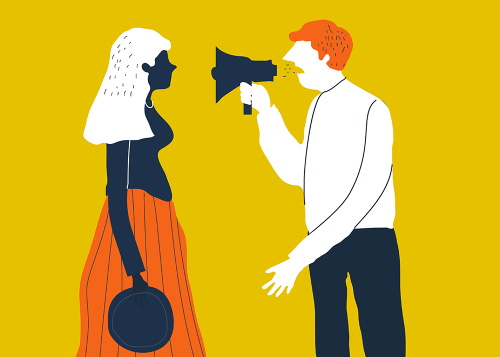
Not all fights are created equal. Constructive fighting is characterized by open communication, mutual respect, and a willingness to find solutions. Destructive fighting, on the other hand, often involves blame, contempt, defensiveness, and stonewalling—the infamous “Four Horsemen” of relationship conflict identified by psychologist John Gottman.
Signs of a Destructive Fight:
> Yelling or name-calling: Once a fight turns personal, the original issue is lost.
> Stonewalling or silent treatment: Refusing to engage might feel like self-protection, but it usually escalates tension.
> Bringing up old grievances: Dragging past arguments into a new conflict clouds the issue and amplifies resentment.
> Seeking to “win” rather than resolve: If the goal is victory instead of understanding, both parties lose.
Signs of a Constructive Fight:
> Staying focused on the issue at hand: Even if emotions run high, keeping the discussion centered on the present problem helps prevent escalation.
> Expressing feelings with “I” statements: Saying “I feel hurt when…” instead of “You always…” reduces blame and invites empathy.
> Active listening: Truly hearing your partner’s perspective, without immediately countering, helps calm defensiveness.
> Collaborative problem-solving: The goal shifts from winning to understanding and creating solutions together.
The Psychology of De-escalation
Conflict de-escalation isn’t about avoiding arguments—it’s about slowing down the fight enough to prevent emotional fireworks.
1. Emotional Self-Regulation
Before addressing your partner, it helps to manage your own emotional state. Techniques like deep breathing, counting to ten, or even stepping away briefly from a heated situation can prevent your “threat response” from hijacking your words. Research shows that taking a moment to self-regulate not only reduces immediate tension but also increases your ability to respond rationally rather than react impulsively.
2. Empathy Activation
Empathy isn’t just a “nice” skill—it’s a conflict management tool. When you actively try to see the situation from your partner’s perspective, your brain releases oxytocin, the bonding hormone, which naturally calms stress responses. Empathy doesn’t mean agreeing; it means acknowledging, “I see that this is important to you.”
3. Framing the Conflict as a Shared Problem
Couples who view a fight as “me vs. you” are more likely to escalate. Those who see it as “us vs. the problem” are more likely to collaborate. This simple mental shift encourages cooperative behavior instead of defensive posturing.
4. Recognizing Cognitive Biases
During arguments, our brains are prone to distortions:
> Mind reading: Assuming we know what the other person is thinking or feeling.
> Overgeneralization: Turning one incident into a pattern (“You never…”)
> Catastrophizing: Seeing the argument as far worse than it is.
Being aware of these biases can prevent unnecessary escalation.

Practical Principles for Constructive Fighting
Principle 1: Set Ground Rules Before Emotions Explode
Some couples find it useful to agree on “fight guidelines” when they’re calm. This might include:
> No name-calling
> No interrupting
> Allowing time-outs when emotions run too high
Having a pre-agreed framework creates a safe container for heated discussions.
Principle 2: Use Time-Outs Wisely
Time-outs are not avoidance—they’re emotional resets. If you feel yourself getting overwhelmed, step away and agree on a time to resume the discussion. This prevents the argument from spiraling and allows both partners to process their feelings.
Principle 3: Speak with Clarity and Compassion
Instead of attacking, share your experience. “I feel…” and “I need…” statements are far more effective than “You always…” or “You never…” This method reduces defensiveness and increases the likelihood that your partner will truly listen.
Principle 4: Validate, Don’t Just Respond
Validation doesn’t require agreement—it’s simply acknowledging the other person’s feelings. Saying, “I understand that you felt hurt when I did X” shows you’re listening and opens the door for compromise. Studies in couple therapy consistently show that validation is one of the strongest predictors of long-term relationship satisfaction.
Principle 5: Seek Solutions, Not Blame
Once emotions settle, focus on problem-solving. Ask questions like:
> “What can we do differently next time?”
> “How can we prevent this from happening again?”
> “What compromise works for both of us?”
This collaborative approach transforms conflict from a battlefield into a growth opportunity.
Principle 6: Know When to Let Go
Sometimes, the best move is to release control over minor disagreements. Not every battle is worth fighting. Practicing discernment helps prevent unnecessary stress and resentment. Think of it as “picking your fights wisely.”
Practice Makes Perfect
Constructive fighting is not an innate talent—it’s a practice. Couples often report that the first few times they intentionally apply these principles, arguments feel awkward or unnatural. But over time, these strategies become habits. Arguments become shorter, more focused, and less emotionally draining. And the relationship itself becomes stronger, because both partners learn that they can navigate conflict safely and respectfully.
Common Mistakes to Avoid
> Ignoring emotional escalation: Pushing through anger without pause usually leads to resentment.
> Assuming your partner “should know” your feelings: Communication is a skill, not mind-reading.
> Bringing in outside stressors: Work stress, family issues, or financial worries can color arguments if not acknowledged.
Recognizing these mistakes allows you to course-correct in real time.
When to Seek Help
Even the healthiest couples sometimes hit roadblocks. If you notice:
> Recurrent fights about the same issues
> Escalation into verbal or physical abuse
> Persistent feelings of resentment or hopelessness
… it might be time to involve a professional. Couple therapy or counseling can provide tools, frameworks, and a neutral perspective that often speeds up progress.
The Surprising Benefits of Constructive Conflict
It may seem counterintuitive, but learning to fight constructively actually strengthens intimacy. Couples who can navigate disagreements without fear or resentment report:
> Higher levels of trust
> Greater emotional closeness
> Better problem-solving skills as a team
> Enhanced self-awareness and empathy
Conflict becomes less of a threat and more of a relationship gym—an opportunity to stretch, strengthen, and grow together.
Final Thoughts
Fights are inevitable in any intimate relationship, but destructive fights are optional. By understanding the psychology behind conflict, learning de-escalation techniques, and practicing constructive communication, you can turn arguments into opportunities for connection rather than division.
The next time a disagreement arises, remember: your partner is not the enemy. The “enemy” is the unresolved issue itself—and together, you can tackle it with curiosity, respect, and empathy. Over time, these principles can transform not just your fights, but your entire approach to intimacy, creating a partnership that thrives not despite conflict, but because of the way you handle it.
References
- Markman, Howard, Scott Stanley, and Susan Blumberg. Fighting for Your Marriage: Positive Steps for Preventing Divorce and Preserving a Lasting Love. Jossey-Bass, 2010.
- Levine, Susan, and Barbara L. Fredrickson. “The Role of Emotion in Couples’ Conflict and Resolution.” Journal of Social and Personal Relationships, vol. 34, no. 4, 2017, pp. 567–588.
- Johnson, Sue. Hold Me Tight: Seven Conversations for a Lifetime of Love. Little, Brown, 2013.